





Dadirri is an Aboriginal Australian word for deep, contemplative listening — quiet awareness of what's around you. It's how I like to approach technology: pay attention, stay curious, then go make something.
These days that mostly means exploring what's possible with AI, and shipping small, playful projects along the way.
Agents that plan, use tools, and get things done — my main playground.
Finding the story in the numbers, then telling it well.
Building AI that's safe, fair, and worth trusting.
Herding containers at scale without losing sleep.
Architecting things that live on someone else's computers.
Python, JavaScript, and whatever the job calls for.
Getting models out of notebooks and into the world.
Prompting, evaluating, and building on language models.
Designing and shipping AI systems — from agents that reason and act, to the pipelines behind them.
Modeling messy reality into insight — and knowing when the numbers are lying.
Making AI safe, fair, and worth trusting — listening before letting it speak.
Designing systems on AWS and beyond that scale gracefully and fail politely.
Quantitative modeling and tools that help money decisions get made well.
Where sound meets software — like the MIDI visualizer below.
Synthesia-style falling notes on a piano keyboard — smoke, sparks and note-name particles, six instruments, video export. Runs entirely in the browser.
Web Audio · Canvas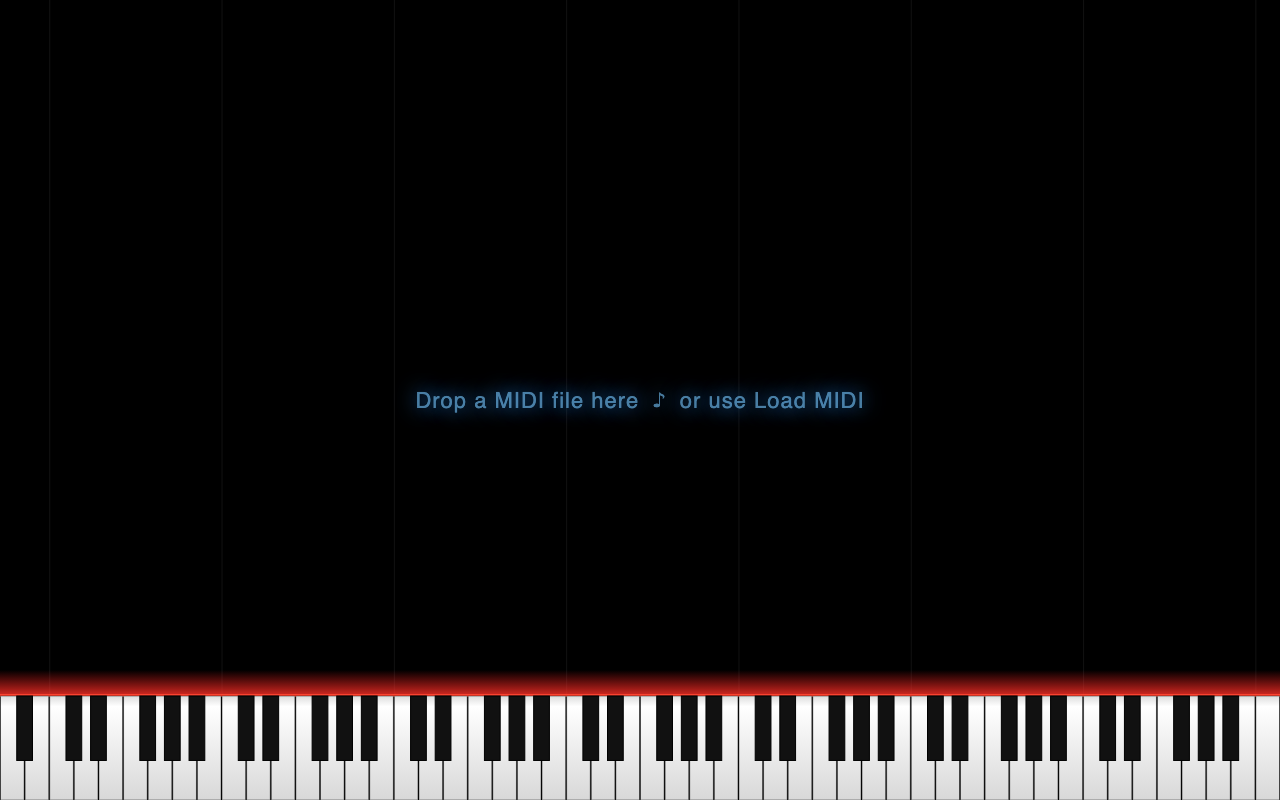 Open the app →
A knowledge graph of the Bible — exploring people, places, and connections across scripture as an interactive graph.
Knowledge Graph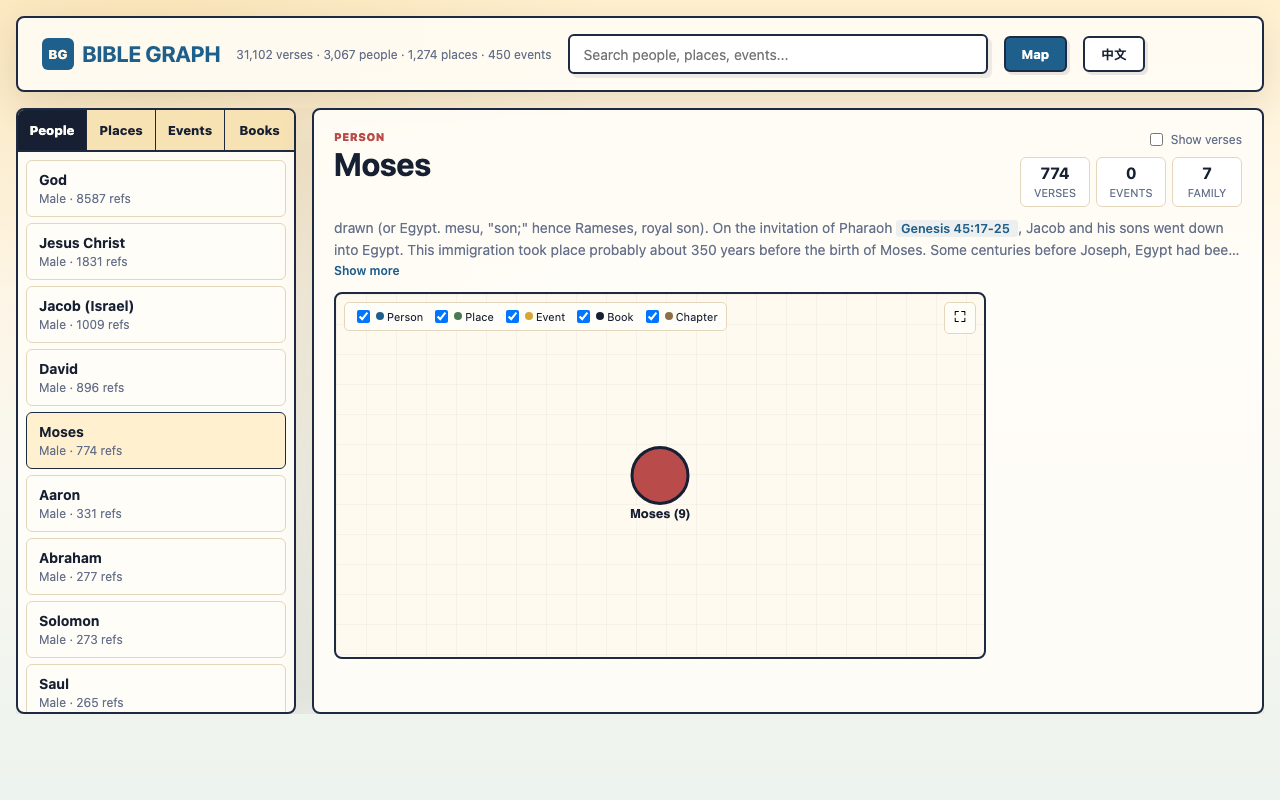 Open the app →
An on-device AI explorer for voice recordings — transcribe, translate, and build memory from your audio, all with local models for full privacy.
Swift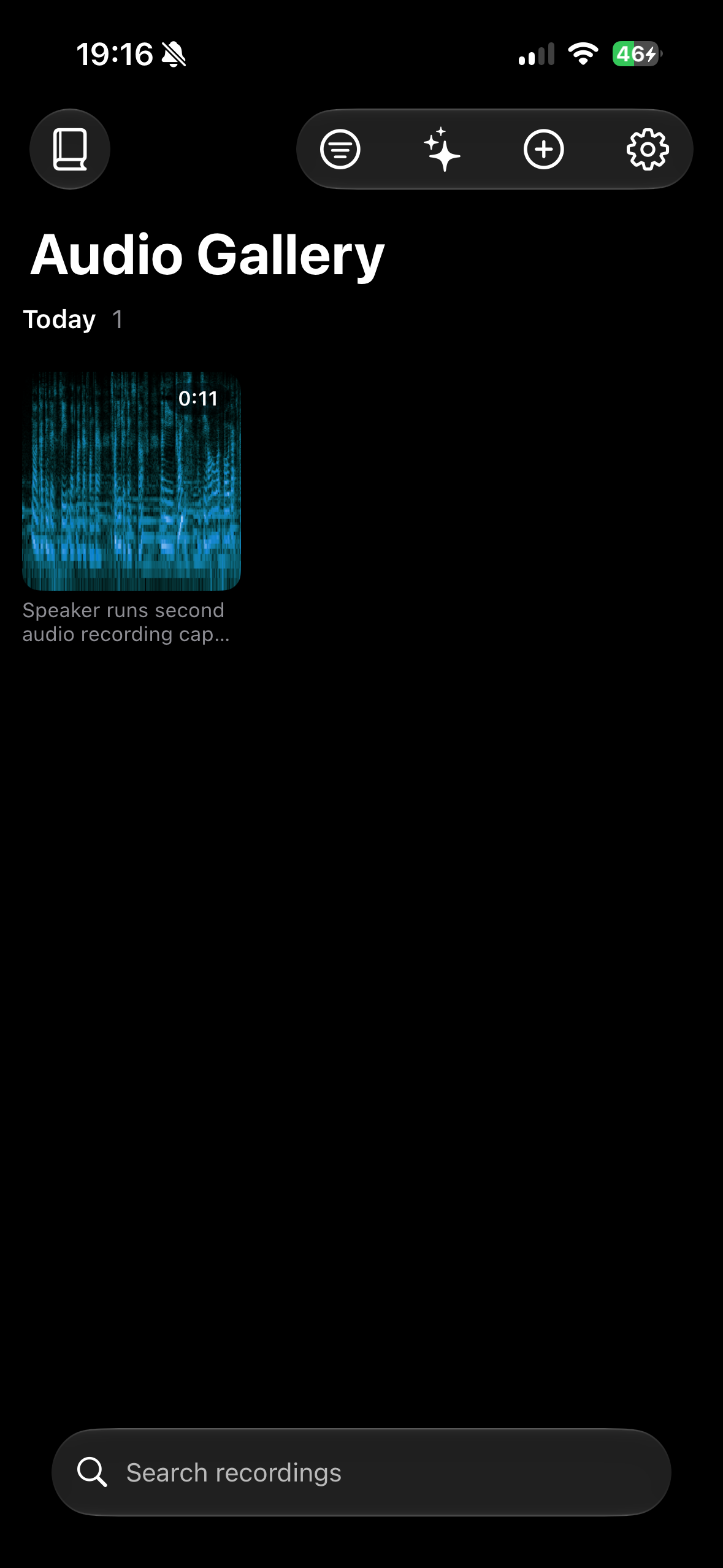 View on GitHub →
A self-hosted library for your voice — transcribes, summarizes, tags, and translates every recording, with semantic search and long-term memory.
Python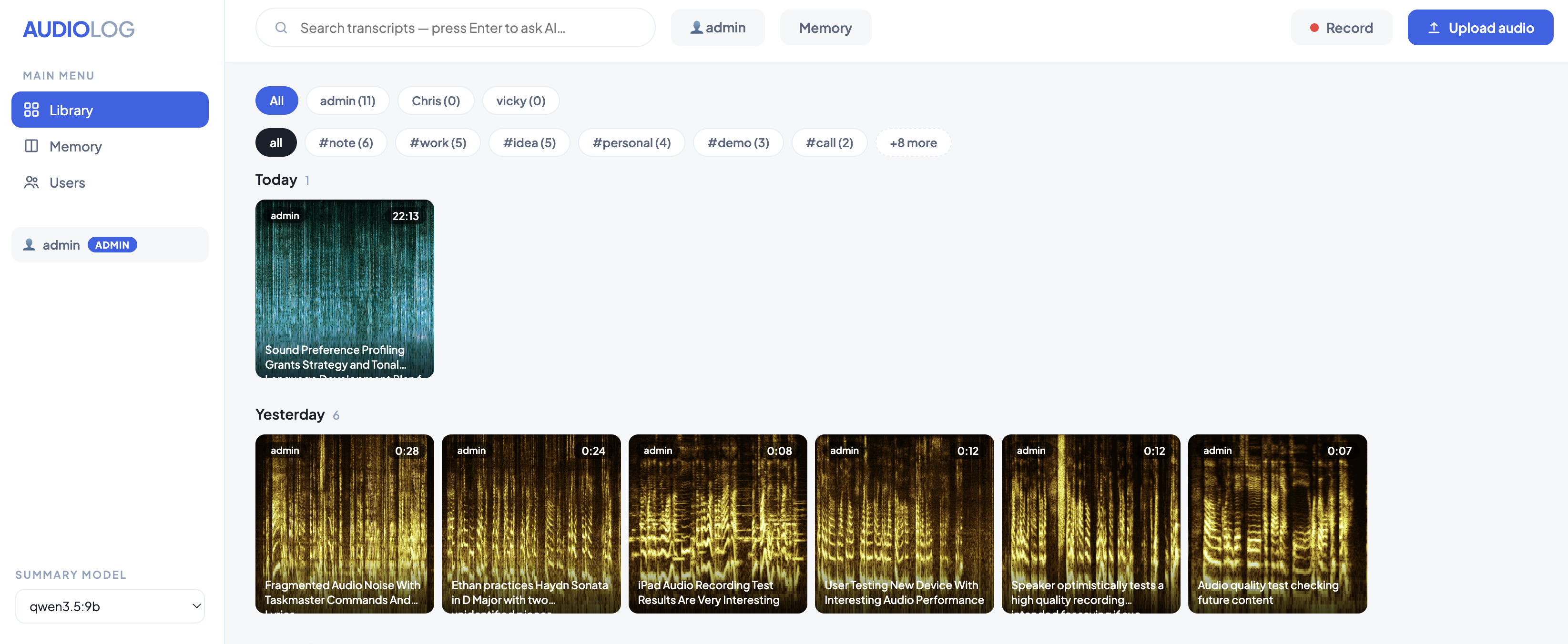 View on GitHub →
A persistent memory layer for AI agents — facts, sessions, and context that carry across conversations.
Python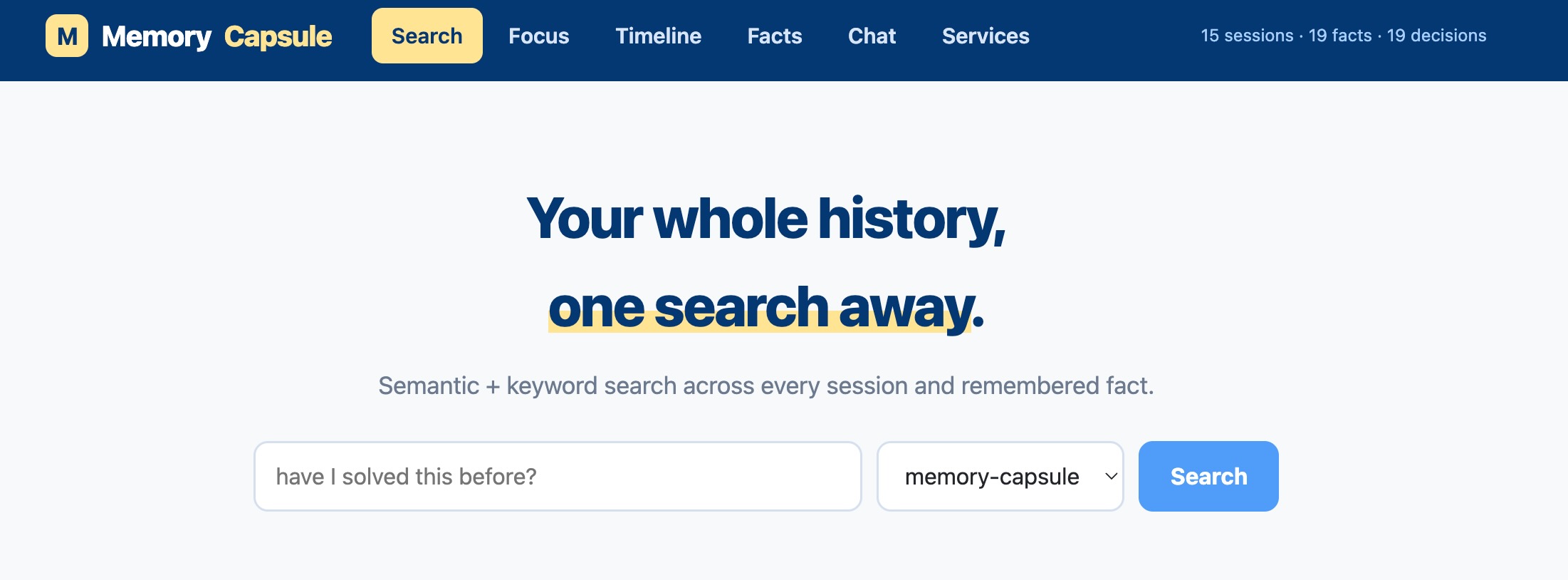 View on GitHub →